Forgiveness – releasing the past

Forgiveness is such an important subject that I feel compelled to spend some time explaining its significance. When we hold something unforgiven inside, we are nurturing anger, hatred and resentment or maybe even guilt. These emotions lock us into the moment, continually reliving events.  Over time all this emotion can become suppressed into the subconscious, but they are still there, consuming our mental and life energy.

Until we release ourselves from this cycle, it may prove impossible to move forward. It really does not matter what the issue was, whether slight or life-shatteringly traumatic. If you want to move on you must let it go. To do this you must forgive. To forgive someone does not mean that that you condone their behaviour simply that you forgive them, and release them. By releasing and forgiving them, you release yourself.

Some people hold onto their anger, refusing to forgive or let go.  They will never move on until they do. In fact, quite the reverse, by allowing such emotions to ferment inside, they grow and can become all consuming, their whole life becoming defined by whatever the event was. They are no longer in control of their life or living the life they want. They are living a life that is directed by their anger and hurt.

How our lives are, is often a reflection of our reactions to the ups and downs of life.  If we choose to accept the good and release the bad, we are able to maintain control over our lives and keep our sense of direction.  If however we  focus on the bad things that have happened to us, then these will simply grow, continually manifesting our own dark thoughts and divert us from seeking what we really want.

If you or your life is “stuck”, then it is well worth looking back to see if there is anything unforgiven in your past.  Remember to forgive everyone, especially yourself.  So many people trudge through their lives burdened with guilt for this or that. Forgive yourself  and let it go.

Remember, life is in the now, the past is already finished and dead and cannot be changed. Nothing you can do now, can ever change the past, yet it is amazing how many people squander their emotional and life energy, consumed with anger or guilt about the past.

In this moment now, you have your power – the power to make your choices, take your action, to make a difference.  You have no power in the past and you have no assurance of power in the future. If you want to feel free, released from the past  then you must forgive.  Forgive everyone, especially yourself.  I know how difficult it is to overcome our natural and very human feelings of anger, guilt, resentment and fear.  The basis of them can seem, and may well be, completely justified, you may be completely right to have these emotions, and it is OK to experience them.  However, these emotions damage your ability to move on, you must accept your emotions, but then be prepared to let them go. To release yourself, you must forgive. Until you do you will remain the victim with your life locked into all those negative emotions.

Look around you, do you know anyone like that?  Some tragedy or injustice has been suffered and now the entire life of that person is defined by their anger and resentment. Every positive thought, every inspired moment, all of life’s little pleasures are subsumed with their overwhelming feelings of anger, resentment, even desire for revenge. No matter how justified their emotions are, what good is it doing them? The past can never be changed. Life is full of tragedy and joy, it is not the events of life so much as how we respond to them that defines how joyous and successful our lives are.

It is time now for you to take action and to really begin to change your life.  Or you could do nothing.  It is your choice. I am coaching people to become the very best version of themselves.

I have some availability for coaching clients, we just need to fix some dates if and when you want to get started. Get in touch today.


Maggie Currie

maggiecurriecoaching_logo8-2.jpg

Follow me on:

Website

Facebook

Twitter

LinkedIn

Huffington Post


How to break bad habits

What are your bad habits? First you have to identify the habits that you want to break.  The ones you really don’t want to hang to. The ones you consider to be bad habits.

  • Smoking?
  • Talking too much?
  • Drinking?
  • Untidiness?

Whether it’s that perpetual pile of clothes in the corner you’re waiting to someday turn into gold, a self-proclaimed disability which renders you unable to refrain from interrupting, or a knack for timing your exit just so, so that someone else is continually left to do the washing up, now’s the time to extinguish these habits before they turn into next year’s resolutions.

Here are some of the reasons why.

1.      It’s not fair to others. One of the great universal laws ruling our wonderful planet says that you get back what you put out there.

Do you want others to be kind and considerate to you?  Then start putting the considerate, kind vibes out there and pick up your clothes, do the washing up, and stop interrupting or whatever it is you or a collective “others” define as a bad habit.

2.    It’s not fair to you.  I’m sure you’re a nice person, and you pride yourself on having generous, warmhearted traits.  So, it’s not fair to you either that this simple, little, annoying thing you do can wield the power that it now, or will soon have.

These tiny culprits have been known to ruin marriages, friendships, and cause the downfall of many a mighty person.  Plus you’ll feel better about yourself.

3.   Your success depends on it. Bad habits have a funny way of scope and context creep.

First they only happen in certain situations, and the next thing you know, you’re at a business function swirling your fingers through the chip dip. Put an end to it now before situations that require your utmost polish become tarnished by these terribly annoying little monsters.

4.   You probably don’t like it when others do the same thing. Think about it.  If someone did the same thing to you, would it bother you?

 How do I know I am in a relationship that is bad for me?

Be honest.

Sometimes all it takes is a simple exercise in empathy to find the motivation to quit whatever it is we could benefit from stopping.

5.   List your own reasons. But be sincere and totally honest.

What is it costing you to perpetuate these habits?

Whether it’s a moment of peace, seemingly perpetual nagging, or simple anxiety resulting from anticipation of the next blow-up or negative comment, you owe it to yourself to commit to your ongoing personal development, and to the elimination of any behaviour whose costs far outweigh the benefits.


So how do you begin?

Just like breaking a smoking habit, bad habits have a way of creeping up on us and slowly over time becoming somewhat akin to an appendage—i.e. they’re hard to get rid of.

Here are some tips for breaking these bad habits:

Start small: 

While it might not be reasonable to expect that you can just stop whatever you’re doing overnight, identify what might constitute as a small step in the right direction? Write down what that step is and carry it out over the next 21 days.

For example, if you are smoking 40 a day, cut that down to 20 for the next 21 days.  Make that behaviour a habit before you cut that down to 15 for the next 21 days and then 10 and so on.

 Commit: 

Make a commitment to yourself that you will make this shift, and if reinforcement and punishment works—use it!  Think about how you might reward yourself for making the change.  Or, consider how you might penalise yourself if you don’t.

For instance in our smoking example. Put the money you would have spent on the cigarettes in a jar and at the end of the 21 days add it all up and buy yourself a treat for example.

From cutting down to 20 smokes a day from 40 smokes a day, over a 21-day period at £8 a packet that will save you £168 in just 3 weeks!

Also, write two lists, one of the reasons why you are doing this and also a list of the things that you will miss out on if you keep on doing your bad habit.

Identify alternatives:

What are some alternatives to the behaviour you are demonstrating? Is there a quick fix or solution that might help provide an alternative—e.g. put a laundry basket by the bedside (one to match with the décor) so that you don’t end up with a pile on the floor.

Get help: 

Ask someone to help keep you accountable.  If they’ve been victims of this bad habit, they’ll most likely be thrilled you asked! Or seek professional help from a coach or mentor who will definitely hold you accountable. A coach will be non-judgemental and will offer you praise when it is due.

iStock_000004418879XSmall (2)

 Ask for feedback: 

Because human nature dictates that we will only complain when you offend, rather than amend, ask for feedback frequently.

Don’t assume, no news is good news, but be sure to get praise when praise is due. Remember to reward yourself when you achieve your short term goals, your medium term goals and your long term goals.  It doesn’t have to be something expensive, although it can be.  It could be a cream tea by the sea, or a cup of coffee, or a small box of chocolates.  You decide what your rewards will be and make sure you reward yourself.

I am here to help, so call me and we can talk about how I can help you.


Maggie Currie

maggiecurriecoaching_logo8-2.jpg

Follow me on:

Website

Facebook

Twitter

LinkedIn

Huffington Post


Can life coaching help me sort out my life?

Yes, I believe that it will help you sort out your life.  Coaching draws out rather than puts in. I find it is reactive, flexible and enabling. My coaching style is non-judgemental, helps people to develop and grow in a variety of areas.

My approach to coaching is to get the very best out of someone and giving them the confidence to make decisions that will improve their life.

When my clients experience being coached, their motivation comes from working with me who is an upbeat, positive role model. I want my clients to reach their full potential and when they do it gives me tremendous job satisfaction. Helping clients discover where they want to go and then helping them to get there is so rewarding to me.

iStock_000009116473XSmall

What makes me a great coach?

  • I like people and want to bring out the best in them
  • I want my clients to do something more fulfilling in their lives
  • I enjoy personal and financial freedom
  • I have natural ‘people’ skills.

Interestingly, a great deal of the life coaching and personal coaching I do is carried out on the telephone. Some of my clients I have never actually met in person. For several reasons coaching is just as effective over the telephone as it is face-to-face. In fact, many of my clients prefer to speak over the telephone. It is very convenient for both myself and my client, and it offers greater flexibility since we all have busy lifestyles. Coaching over the telephone offers other obvious advantages:

  • coaching can be conducted wherever I and my client happen to be – anywhere in the world
  • there’s no travelling time or travel cost involved
  • I don’t need offices, meeting rooms, staff or other expensive overheads

Having said that, I enjoy face-to-face coaching too, as I love the personal contact and appreciate the one-to-one feel of the coaching session.  I meet my clients at a mutually agreeable venue, a quiet corner of a café, in their client’s home or office, in my home or office or wherever is convenient.

iStock_000012059689XSmall

 My coaching sessions are typically sixty minutes, though sometimes longer.

Some of the things I practice in my coaching:

  • Listening to what has been said, and what hasn’t been said
  • What motivates people must be understood
  • Everyone is capable of achieving more
  • Finding solutions not creating more problems
  • A person’s past is no indication of their future
  • People’s beliefs about what is possible for themselves are their only limits
  • I always provide full support
  • I can’t provide the answers, but I can draw them out of my clients
  • I never criticise my clients
  • All my coaching is completely confidential
  • Some people’s needs cannot be met by coaching, and I recognise clients with these needs and refer them to a specialty that will help them

So, to answer the original question “Can Life Coaching help you sort your life out?”  Yes, I believe it can.  Life coaching is what you make it. If you wish to set and achieve goals, accept yourself and become everything you are capable of becoming then working with a Life Coach is for you.

I also offer a money back guarantee.  If you don’t change something about your life when coaching with me, I will give you your money back.

Money-Back-Guarantee-300x300


 Contact me today to have a free chat on how my coaching will help you to sort out your life.


Maggie Currie

maggiecurriecoaching_logo8-2.jpg

Follow me on:

Website

Facebook

Twitter

LinkedIn

Huffington Post



My workshop – ‘the afterglow’

I facilitated a workshop last week entitled “Confidence for everyday life” and, even if I do say so myself, it was a huge success!

The time flew by and before I knew it, the whole thing was over.  I loved every minute of it, meeting the attendees, sharing my expertise, watching the vision boards develop and the interaction with each other.

There were some ‘aha moments’ as someone realised that all the pictures and words they had stuck on their vision board referred to family and it wasn’t until that moment they realised just how much family meant to them.

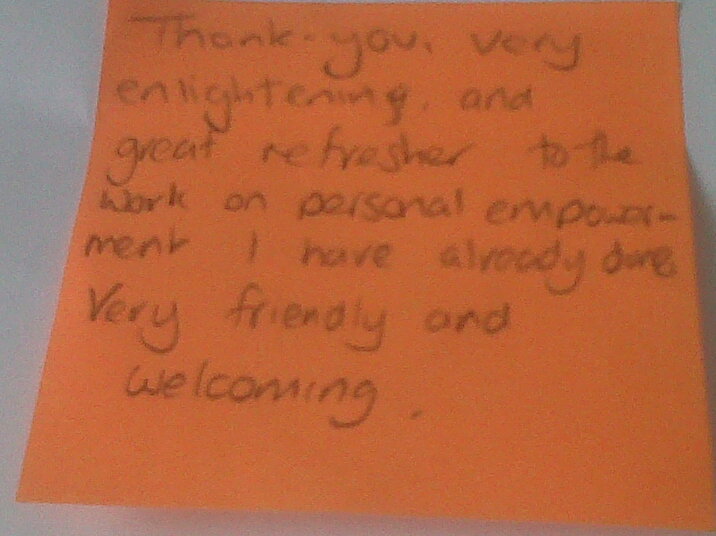
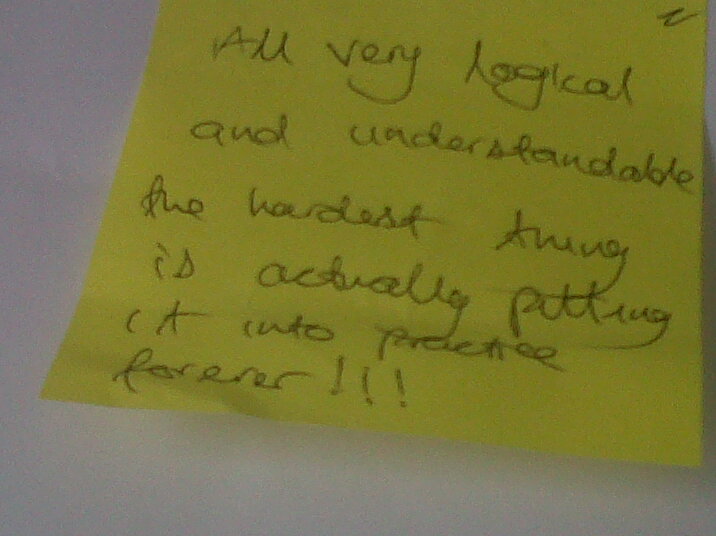
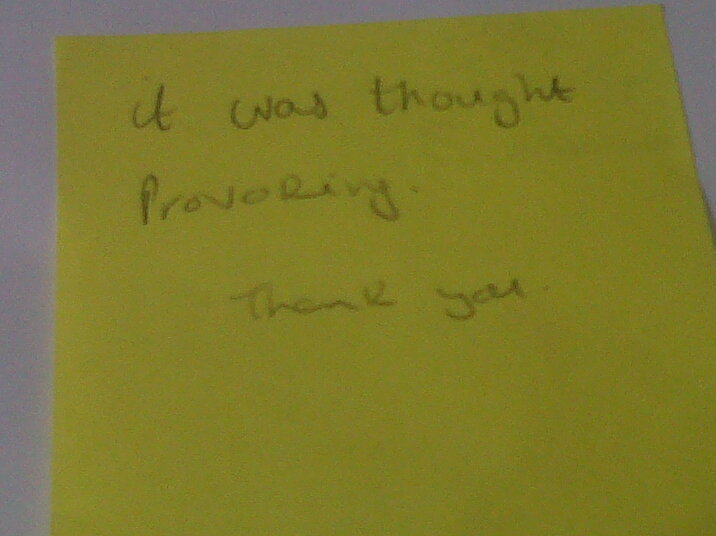
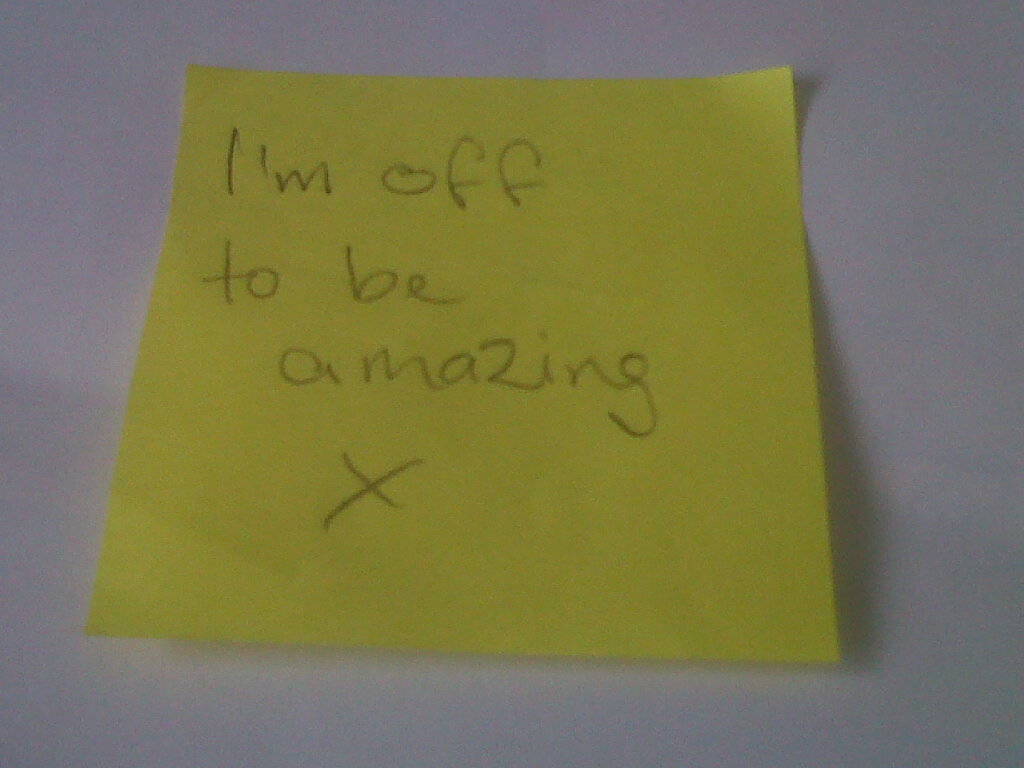
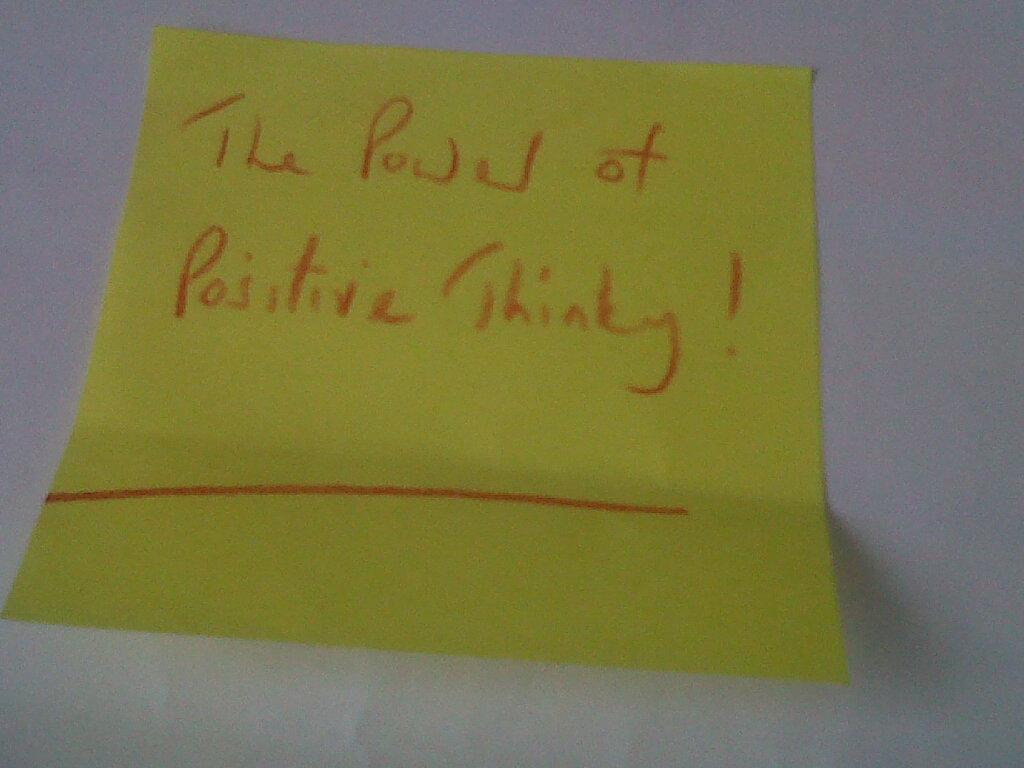
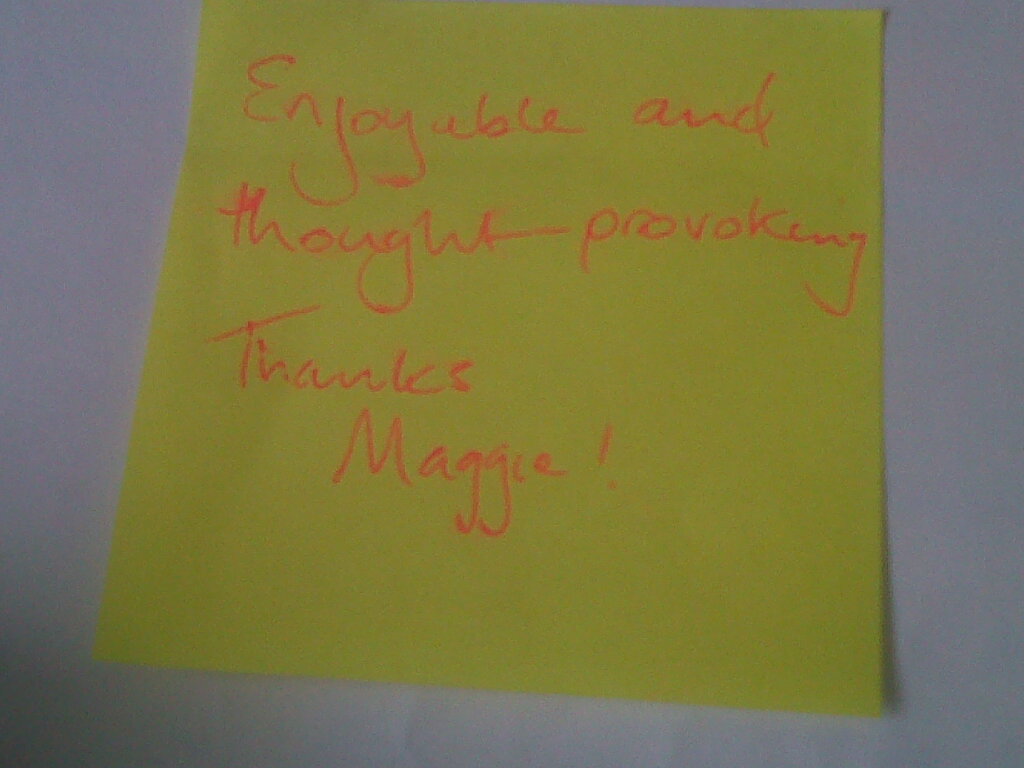
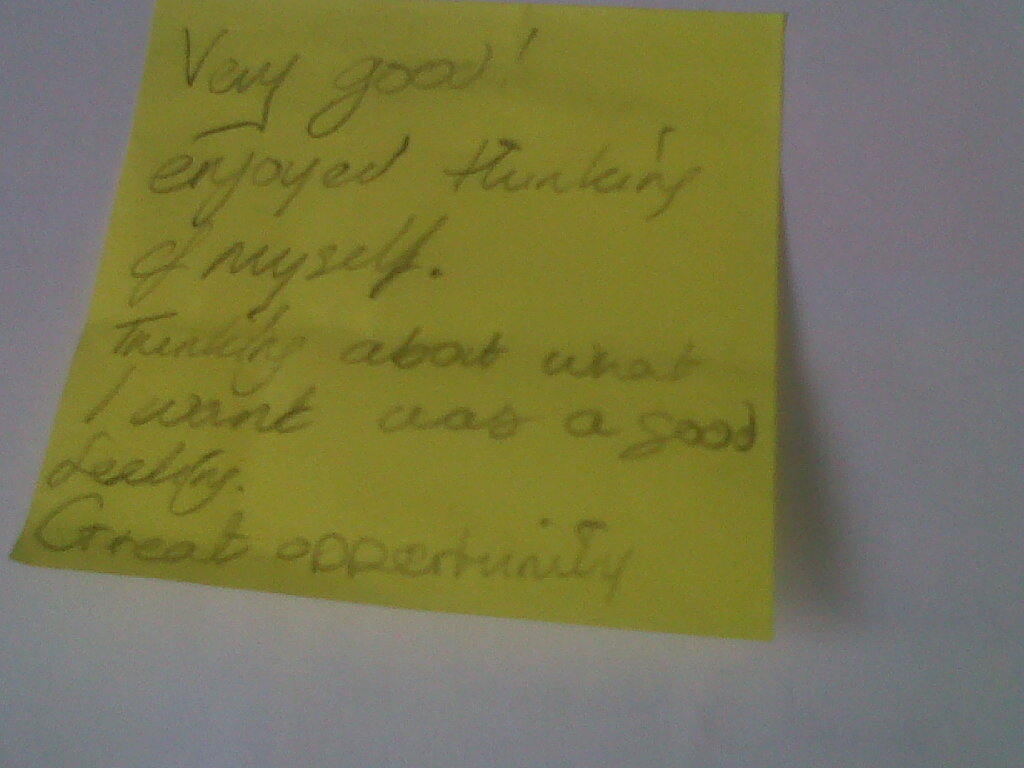
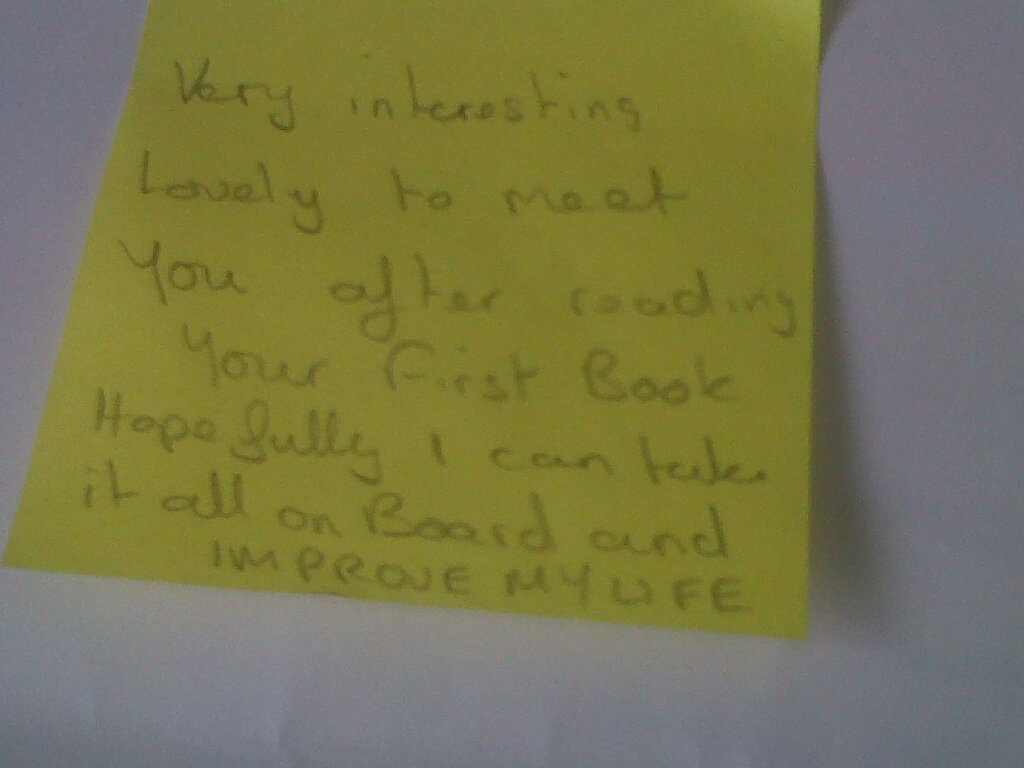
Here is some of the feedback from the attendees

IMG00412-20140521-1327                         IMG00411-20140521-1327            IMG00410-20140521-1327


I had taken a lot of time and trouble to prepare the workbooks for the workshop.  I included a recommended reading list, information on how to construct and use affirmations, all the exercises and some homework.

IMG00409-20140521-1327                      IMG00408-20140521-1326              IMG00407-20140521-1326


The homework exercise is to write 50 good things about yourself.  This can be done by writing 3 things a day until 50 are reached.  It is then a good thing to be able to read all the lovely things you have written about yourself and remind yourself just how good you really are.

IMG00406-20140521-1326                    IMG00405-20140521-1325                  IMG00404-20140521-1325


My next workshop will be on Monday 15th September 2014 and will be about your relationship with yourself.  Keep an eye on my website for sign up details.

IMG00403-20140521-1325                    IMG00402-20140521-1325                 IMG00401-20140521-1324

The attendees achieved a lot in a very short space of time, just imagine what they will achieve over a few months of coaching. The possibilities are endless.

 Contact me today to have a free chat on how my coaching will help you to change your mindset.


Maggie Currie

maggiecurriecoaching_logo8-2.jpg

Follow me on:

Website

Facebook

Twitter

LinkedIn

Huffington Post


Bouncing back

Life happens. It doesn’t matter how positive, balanced and centred you are, there are going to be times when you are knocked sideways. Times when your carefully organised life is turned upside down and you get knocked for six. Life happens!

You may be challenged with any number of situations that will leave you feeling like you were kicked in the stomach. It may be the loss of a loved one, a divorce, the loss of a job, bullying or the plain stupidity of some people who affect your life.

Let’s face it. Things happen. They’re part of life and although I know that “everything happens for a reason,” things still hurt. And they hurt a lot! They hurt at the very core of your being. The pain begins in your heart and radiates throughout your entire being.

womanscreaming

At times like these, you may feel down, possibly depressed. You may feel anger or some other manifestation of your pain. You may feel out of control and that life will never get better. Whatever you’re feeling, it’s ok. It’s ok to feel hurt, sad, angry, used, miserable or whatever your true feelings are. You cannot deny pain any more than you can deny fear. The only way through this is to give yourself permission to feel the feeling.

The question is not whether or not you will feel down. The question is for how long will you stay in this state?

The difference between people who get through life’s challenging moments, regardless of the seriousness, and those who are immobilised by the events is their ability to bounce back. That isn’t to say they care any less, they give themselves permission to move on.

How quickly can you bounce back?  Of course, the severity of the event will have a lot to do with the time it will take you to get past the pain and on with your life.

Take the example of two people being downsized from their job, something that is becoming a common occurrence these days. One is floored by the news of her dismissal. She expresses her pain by becoming angry at her employers, her colleagues and the system in general. She spends her days telling anyone who’ll listen, about her “problem” and how hard done by she is.  And usually from a bar stool!

As she sees it, her life is ruined and she’s blaming everyone for her troubles. People who react like this spend weeks, even months, wallowing in despair until, if they’re fortunate, someone close to them convinces them to seek professional help.

On the other hand, the other person reacts very differently. Although they have gone through the same experience and have pretty much the same issues like living expenses, etc., they choose to react differently.

After a brief period of feeling a loss of self-esteem, self-pity and anger (quite naturally), they decide to get back in the game. They begin contacting their network of colleagues and friends, avail themselves of courses and other services their former employer offered everyone and starts actively looking for a new position. In a short time they find their “dream job” with an exciting new company.

While both people in our hypothetical example had the same experience and both went through a period of hurting, the time each allowed themselves to remain in that dis-empowering state was vastly different. While one remained “stuck” in their problem, the other handled their loss and moved on with their life.

A caucasian college student talking on the phone

This is the key. It’s not whether life occasionally puts you into a tailspin, it’s how long you choose to remain there.

When something devastating happens to you, allow yourself some time to grieve your loss, that is essential.  However, don’t allow yourself to get stuck there. Take some action. Join a support group, talk about your feelings with a trusted friend or a professional.

In the case of a job loss, perhaps you might want to take some time to re-evaluate your career goals. You may even consider a change in career altogether. When you’re ready, you can begin networking and making new contacts.  Attend social or networking events. Call people you know. Do something!

One of the most important things to remember in high stress situations is not to allow yourself to become isolated. While spending some time alone is normal, even necessary, isolation can be dangerous and should be avoided at all costs. Get out and be with people as soon as possible.

Remember “life is for the living.” It’s important to get back to your life. In time, the pain will pass.

Contact me to have a free chat on how my coaching will help you get back on track.

Maggie Currie

maggiecurriecoaching_logo8-2.jpg

Follow me on:

Website

Facebook

Twitter

LinkedIn

Huffington Post


Improving your body language can improve your confidence!

The way that you move your body and how you walk has an enormous effect on the way that you feel and affects your confidence levels.

Lets start with an exercise.

Imagine there are two people standing in front of you – one with “negative body language” and one with “positive body language”.  I’d now like you to write down what you are observing with each of these people

                                                                                                                           Positive/Negative

  • How are they standing?
  • Where are their eyes looking?
  • What position are they holding their head?
  • How are they talking?
  • How are they moving?

How you feel at any moment in time is linked to what is going on in your mind and how you are moving your body. The way that you move sends subconscious messages to your mind and this either helps or hinders the way that you feel.

Emotion is created by motion. If you sit still for a long period of time your natural energy levels automatically lower. And what happens when you get up, walk around and return to your seat?  Yes, you have more energy and you’re given a boost.

I can’t stress how important it is to move and act confidently and positively. You will give off all the right vibes to everyone around you and it will make them think that you are confident even if you’re not feeling it inside. Yes, that’s right. Even if you’re not feeling confident, act as though you are.

??????????????????????

So, how do you do this?

  • Walk swiftly and with a purpose. Don’t saunter along, walk like you know exactly where you are going and when you get there you mean business!
  • Gesture with your hands as you talk, it will create motion and you know what that leads to – EMOTION! The right gestures also have a major impact on building rapport as long as you’re not shaking your fist!
  • All it takes is a smile!  Think for a moment about your confidence role model. One thing that she and confident people in general have in common is that they all probably smile a lot and are happier than their negative counterparts. It may sound silly, but there is a lot of power associated with a smile.

Start smiling more often. Now, that doesn’t mean that you have to walk around with a silly grin on your face all of the time. But smile as you walk down the street, when you talk to someone, even when you look in the mirror at yourself. You will be surprised at how much better you will feel for it, and it will project a positive image to all others – one that will attract opportunities and people.

Remember that confident people are happy people and negative people are not. Happy people are also seen as more attractive than unhappy and sad people, so that is an added bonus!

New for 2013. From confusion to clarity – Becoming ME again

You know, the way that we communicate in our appearance, posture, gesture, gaze and expression can be such a powerful tool in the way that we feel and when communicating with others. The manner in which you communicate and your interpersonal skills are also very important indeed. Effective communication is vital if you are going to succeed no matter what you are doing.

The way in which we communicate with people is broken down into component parts, and it is popularly believed that people to whom we are speaking understand what we say by interpreting these different elements in varying proportions:

VERBAL – 7% of our message is interpreted from the words we use.

VOCAL – 38% is picked up from our voice – speed, tone , pitch, rhythm etc

VISUAL – 55% is what the other person sees – our body language

Please bear the above in mind when you are communicating to people.

If you are ever feeling down, just have a look at your body language and change it immediately. Even if it has to be false – YOU WILL start to feel better and more confident immediately.

First impressions count – notice body language. You can normally tell what others are feeling by the way that they are moving and using their body too. You can use this to your advantage when you are more aware of it.

Contact me to have a free chat on how my coaching can help you improve your confidence.

Maggie Currie 

Creedence – Confidence for You

Coaching you to become the very best version of you so you can have more fun, live a better life and enjoy your work.


creedence.jpg

Website

Facebook

Twitter

LinkedIn

Huffington Post


How to experience ‘Happiness’

Do you really know what will it take to make you happy? Think about it and see if you can discover what it will take for you to be happy?

  • Will being in a relationship, or with the right boyfriend/girlfriend make you happy?
  • Will being married make you happy?
  • Will having a million pounds make you happy?
  • Will being successful make you happy?
  • Will having better health make you happy?
  • Will getting a new job make you happy?
  • Will having a great career make you happy?

If you think the answer is yes to any or all of the above questions, you’ll never find happiness!

Surprised? Well don’t be. The truth is nothing can ‘make you happy’. Happiness is something you feel, not something you can find.

happy woman


Being happy doesn’t depend on a particular outcome or something happening to you. There isn’t somewhere you can go and find happiness sitting there waiting for you.

Advertising of all sorts is designed to make you think that a new car, a particular skin cream, a new outfit, some new shoes, a drink or a new diet will make you happy, but that is simply not true. Nothing can make you happy because happiness is a feeling. Happiness is something you experience.

If you want to be happy, then be happy. Most people don’t choose to be happy because they spend most of their time focusing on what they perceive is wrong with their life.

Think about it, you can’t be happy doing something that you don’t like. If you don’t believe me try it. Try doing something you despise and see if you can be happy at the same time. Trust me, you won’t be happy doing something you don’t enjoy!

You also can’t do something you really enjoy and be sad or angry. Don’t believe me? Try it. See what happens. Go and try doing something you really enjoy and see if you’re angry or miserable at the same time. That really won’t happen.

Unfortunately, people believe they can be happy when they achieve a particular goal and make the mistake of chasing that goal in order to be happy. It’s really not achieving the goal that makes them happy. It’s the feeling of achieving the goal that provides another feeling, satisfaction perhaps,  that is mistaken for happiness.

This mistake is quite common, because it’s not security or peace of mind that makes you happy. You experience happiness when you do what you enjoy and when you focus on the positive things taking place in your life. If you’re not doing that then you can never be happy.  Don’t think that you can be happy just by having something.

You can experience happiness by achieving your particular goal,  by doing what you enjoy, having fun while achieving your goals and choose the right goals for you, the kind that allow you to be happy all the time.  Focus on what you want.

Start doing the things that you enjoy. Look at the positive things that are going on in your life. Direct your mind and subconscious mind to help you experience happiness every day. This will start once you begin to appreciate the good things in your life.

Okay so how can you begin to be happy? It’s really quite simple, all you have to do is shift your focus.

‘Get back to me retreat’ Friday March 15th to Sunday March 17th 2013

Instead of looking at all that is wrong with your life, instead of looking at what you don’t like about yourself or your life; constantly criticising; change your focus. Start appreciating all that is good in your life. Envisage your life in the future.

Make a list if you want and write out all of the positive things in your life. Usually someone will say: “Maggie, I can’t think of anything positive or good in my life. I just want to be happy.” That’s only because they are not seeing all the positive things in your life.  And so you’ll never be happy.

Every day there are wonderful things taking place in your life, yet you fail to observe and recognise them. You tend to take them for granted.  This can be anything – a hot  meal, a wonderful spouse, family, a beautiful flower, lambs playing in a field –  If you have a roof over your head, that’s a positive aspect of your life.

Start looking at all of the great and terrific things that are going on in your life and you’ll begin to experience happiness on a deeper level. You can begin to improve or change the areas that you are not happy with but at the same time you should acknowledge the good things that are going on in your life.

Your mind is used to only paying attention to what is going wrong and in the process it directs the subconscious mind to continue creating more of those things that are going wrong. You actually create more of what makes you unhappy.

Why?

Because your subconscious creates what you regularly think about. So if you don’t regularly focus on the positive things you won’t create positive situations in your life.

And here’s where it gets worse.  When you constantly focus on what is wrong with your life, when you only think about and see what is wrong in your life, your subconscious begins to create more of what is wrong or more of what you don’t want because it thinks that you want more. It responds to your focus.

Now you know why it can be so difficult for some people to truly experience happiness, it’s because they’re used to focusing on the negative aspects of life and in the end continue to create more of what they don’t want.

In order to change all of this you have to begin training the mind and re-directing the subconscious mind to begin creating what you want in life and to focus on the good things that are taking place in your life.

Begin experiencing happiness by changing your focus. Everyday think of the positive things that are going on in your life. Make a list of all the wonderful things that are taking place in your life.

Think of at least 3 great things that happened to you they can be small or large – but just appreciate 3 good things that happened during the day. Do this every day for a month and you will see your list grow.  Focus on the positive. Direct your mind and subconscious mind by changing your perspective so you experience happiness everyday

Too often I hear from people who simply want to be happy but when I ask them what they do for fun they say: “Nothing.”  No wonder you’re not happy. How can you be happy if you’re never having fun in life?

tyre swing

If you want to experience happiness then start doing things that you enjoy.  You may like gardening; you may like hang gliding, you may like riding your bike, you may enjoy going for long walks, you may enjoy acting like a 5-year old – whatever it is start doing it and see how great you feel.

But there is one catch when you’re doing what you enjoy, you can only focus on that and not think about anything else that may be bothering you. That’s the only way you’ll truly enjoy the activity and begin to experience happiness.

As adults we get bogged down with the everyday tasks that force us to be serious. We have jobs where we’re serious, bills to pay, food to prepare, children to look after, it’s all too serious and it is necessary. I’m not suggesting you ignore your responsibilities – but take some time just to have some fun.

Now you can’t just have fun once a week or once a month. You have to do this every day. That means every day you have to find something fun to do, and only then will you get comfortable and used to the process to the point where you regularly experience happiness. Once you start doing this you’ll enjoy it so much you’ll wonder why you never did this to begin with.

If you don’t feel you have the time to have fun and enjoy your life then you’re really saying that your happiness is not important enough. Only when you decide to be happy will you truly begin to experience happiness. You can work with the techniques I’ve outlined – they will help you get started. But you will need to train your mind and subconscious mind to begin seeing and living in a different way.

Contact me to have a free chat on how my coaching can help you on your road to happiness.

Maggie Currie 

Creedence – Confidence for You

I am coaching people to become the very best version of themselves so that they can have more fun, live a better life and enjoy their work.


creedence.jpg

Website

Facebook

Twitter

LinkedIn

Huffington Post

How do you know when you are in need of coaching?

 I know there are a lot of people who think that they are ‘fine’ and certainly have no need of coaching of any sort.  They are mistaken in their belief that there is nothing anyone else can do to help them, that there is nobody else out there in the entire world who is in, or has been in, the same or similar situations as them.  They continue to plod on through life without help, without looking for answers to their questions and still believing that there is nothing they or anyone else can do to change their current situations.

tiredwoman

I know differently.  I have been on both sides of that argument, and I know exactly what I am talking about.  I have been there, I have resisted being coached. I thought I was fine and, because I am a coach, didn’t need any coaching.  How wrong was I? Very, very wrong.

I have also been in a place where I didn’t even know coaching existed, when I was going through divorce and had no perception of a way out of despair and misery.  I had no idea at that time that there were coaches out there who could help me. Had I known that help was available for me from a coach I would have been first in the queue. It would have saved me a huge amount of heartache and anguish.

Since discovering coaching and training to be a coach, learning NLP techniques and how to coach with some of the top people in the country, I have been coaching for ten years and successfully changed the lives of so many people, as well as my own.  And I love every single minute of it.

But, and this is a big BUT, I resisted being coached myself because my ego kept telling me that I was okay, I was ‘fine’.

I have taken a good look at me, and my ego has been booted into the’ back of beyond’. I have hired my own coach, and I love being coached as much as I love coaching and watching people change and grow.Working with your own coach is so rewarding in a myriad of ways.

I19A9798_

Maggie Currie

I learn something new every time I am coaching and being coached.  I believe learning is vital since we are very unlikely to ever know everything.

Contact me to have a free chat on how my coaching can help you.

Maggie Currie 

Creedence – Confidence for You

I am coaching people to become the very best version of themselves so that they can have more fun, live a better life and enjoy their work.


creedence.jpg

Website

Facebook

Twitter

LinkedIn

Huffington Post

My new phone number

Just  quick note to let you know that I have now moved house and have a brand new contact number too!

The move itself was uneventful, but moving phone numbers was apparently too difficult for the phone company to cope with.  Hence the new number.

telephonedial

All is not lost, new business cards have been printed very rapidly by my supplier, leaflets are being altered with labels etc.

It is not the end of the world.  In fact, in some ways it is a blessing.  New number, new start…..

So here it is:

01983 754666


You can still contact me via my website, and I look forward to hearing from you and of course to working with you in the very near future.

Maggie Currie 

Creedence – Confidence for You

I am helping people to become the very best version of themselves so that they can have more fun, live a better life and enjoy their work.


creedence.jpg

Website

Facebook

Twitter

LinkedIn

Huffington Post

Recycle, Reuse, Compost, Biofuel, Donate, Trash – Guest Blog by Lisa Arends

I saw a promo picture for of those hoarding shows the other day. It showed a woman surrounded by an impossible pile of stuff, trying to look strong, yet you could see the struggle etched upon her face. I did not watch the show, but I gather that she acquired and held onto these items out of fear, that she sees the piles of clothes of objects as some sort of talisman against the evils and discomforts of the world. This may have worked for a while, but eventually, as the stuff accumulated, so did its power. It now has her trapped, stuck, buried under the weight of that which she refused to let go of.

We see these shows or read these stories and wonder how they let it get so bad. Don’t they realize that the accumulations are smothering them? Don’t they know that many of those items are worthless? Don’t they see the freedom that comes from release? No, they don’t. They are wrapped in a security blanket of stuff that tightens around them like a serpent whispering platitudes into fearful ears.

We see these shows or read these stories and proudly declare that it could never happen to us. We would recognize that slippery slope and halt the accumulation before it grew to epic proportions. What we often fail to realize, however, is that we are guilty of the same behavior within our minds. You may not be surrounded by the tangibles of your past, but can you say the same for your thoughts? Do you let old hurts and pains clutter your mind? Are you buried under the weight of days gone by? Do you hold on to these memories and thinking patterns because you are afraid to let them go?

We hold on to our thoughts for the same reasons that hoarders stockpile stuff. They are known. They are comfortable. They fulfill some need within us, either real or imagined. It’s scary releasing those thoughts, those beliefs that hold us back. It almost feels traitorous, as though we are turning the blade upon ourselves. Yet sometimes branches have to be pruned back to let the light in.

If you have allowed your mind to become cluttered with unneeded and unnecessary thoughts, it is time to take out your mental garbage.

recycle

Recycle: Take your old patterns and thoughts and change them into something new and useful. If you have trauma or struggle in your past, how can you reframe it into something that can help others? Our brightest gifts often come from our greatest wounds.

Reuse: Repurpose a negative habit into a positive one. If you have negative mantras that echo through your thoughts, reword them into motivational sayings. I have a tendency to respond to challenges with the phrase, “I can’t.” I’ve reworked it into “I always said I couldn’t live without my ex husband and if I can do that, I can do anything!”

Compost: Use the decaying scraps left over from something transient and good, and turn the waste into fuel for new growth. There are often lessons to be learned from the low points of life. Let the sorrow feeds the roots of the young shoots of a new life.

Biofuel: If you feel stuck, turn the negative energy into fuel to power yourself forward. Anger can be a valuable, yet corrosive, fuel here as it has the potential to move you through the roughest of patches. Just be sure to release it once it has done its job.

Donate: Do you have any mental clutter that doesn’t serve you but can help others? Sometimes the best way to be thankful for what we have is to help others. Can you use your voice to help those that can’t speak for themselves or reach out to others that are where you have been?

Trash: Some habits and thought patterns simply need to be discarded. For me, the “what ifs” had to be thrown into the rubbish bin and carried away on the back of a truck, as they simply served no purpose and had no value.

We schedule regular cleaning for our homes. Our minds, which we occupy all of the time, deserve at least the same attention. So take a look around, inventory those thoughts and discard the ones that no longer serve you.

Lisa Arends

Lisa Arends works as a math teacher and a wellness coach. After using her own sudden divorce four years ago as a catalyst for positive change, she now helps people navigate their own divorces and transform stress into wellness. She loves to lift heavy weights and run long distances, and she is still learning how to meditate. She blogs at Lessons From the End of a Marriage and The Huffington Post.